
Renovating a Hotel or Restaurant Without Closing: How Phased Construction Works
For many hotel and restaurant owners, closing for a renovation is not realistic. A full closure means lost revenue, staff who may not come back, guests who find somewhere else to go, and marketing momentum that has to be rebuilt. Yet the space still needs work: worn rooms, outdated restrooms, tired dining rooms, or systems that are near the end of their lives.
Phased construction is how many hospitality projects solve that problem. Instead of shutting down entirely, the work is divided into stages so that part of the property keeps operating while another part is under construction. Done well, guests barely notice. Done poorly, they notice the noise, the dust, and the confusion, and they write about it.
Here is how a phased renovation works and what owners should plan for before committing to one.
Decide Whether Phasing Is the Right Call
Phasing is not always cheaper or better. Working around an operating business usually takes longer overall and can cost more because of temporary barriers, after-hours labor, repeated mobilization, and extra protection. The trade-off is that revenue continues during construction.
Owners should compare the full cost of a closure, including lost revenue and reopening costs, against the added construction cost and longer timeline of a phased approach. Sometimes a short full closure for the most disruptive work, combined with phased work before and after, is the best balance.
Map the Property and the Operation
A phasing plan starts with how the property actually runs. That includes guest paths from parking to entry, check-in, rooms, dining, and restrooms, as well as back-of-house routes for deliveries, housekeeping, trash, and staff. It also includes the building systems that serve each area.
The plan then divides the work into zones that can be isolated. In a hotel, that might mean taking one wing or floor out of service at a time. In a restaurant, it might mean renovating the patio first, then half the dining room, then the bar, while the kitchen keeps running.
Systems Are the Hardest Part
Finishes are easy to phase. Infrastructure is not. Electrical service, plumbing mains, HVAC, fire sprinklers, and fire alarm systems often serve the entire building. Replacing or modifying them may require planned shutdowns, temporary services, or overnight work so that the operating areas stay safe and functional.
Investigating existing conditions before construction, including above ceilings and behind walls where possible, helps the team plan these tie-ins carefully. Surprises in an occupied building are more disruptive than in an empty one.
Protect Life Safety in Occupied Areas
When guests and staff are in the building, exits must stay clear and usable, fire protection must keep working or be covered by an approved alternative, and construction areas must be physically separated from public areas. The local building and fire officials may have requirements for occupied renovations, so the phasing plan should be reviewed with them as part of permitting.
Temporary partitions, signage, lighting along altered paths, and clear wayfinding help guests move through the property without wandering into work zones.
Control Noise, Dust, and Odors
The guest experience during construction depends on how well disruption is contained. Common measures include:
- Sealed temporary walls and negative air pressure in work areas to keep dust out of occupied spaces
- Scheduling loud work such as demolition, coring, and cutting during hours when the affected areas are closed or lightly used
- Separate entrances and routes for workers and materials
- Protection of floors and finishes along shared paths
- Daily cleanup so operating areas look cared for, not like a jobsite
Communicate Constantly
A phased renovation requires close coordination between the construction team and the operators. Weekly look-ahead schedules, clear notice before shutdowns, and a single point of contact on each side help avoid conflicts such as a loud task scheduled during a private event or a water shutdown during brunch. Front-desk staff and servers should know what is happening so they can answer guest questions with confidence.
Many properties also communicate directly with guests. Honest messaging about improvements underway, paired with a preview of what is coming, can turn construction into anticipation rather than complaint.
Order Long-Lead Items Early
Each phase depends on materials being on site when the zone opens up. Delays on custom furniture, fixtures, tile, or equipment can leave part of the property out of service longer than planned, which directly costs revenue. Confirming lead times, ordering early, and using on-site or off-site fabrication where possible helps each phase finish on time. Custom pieces built off site while earlier phases are underway can also shorten the time any one area is closed.
Keep the Design Consistent Across Phases
When work happens over months, it is easy for later phases to drift from the original design as products are discontinued or decisions are revisited. Locking in finishes, details, and specifications for the full project before the first phase begins keeps the finished property cohesive.
Experience in Historic and Operating Properties
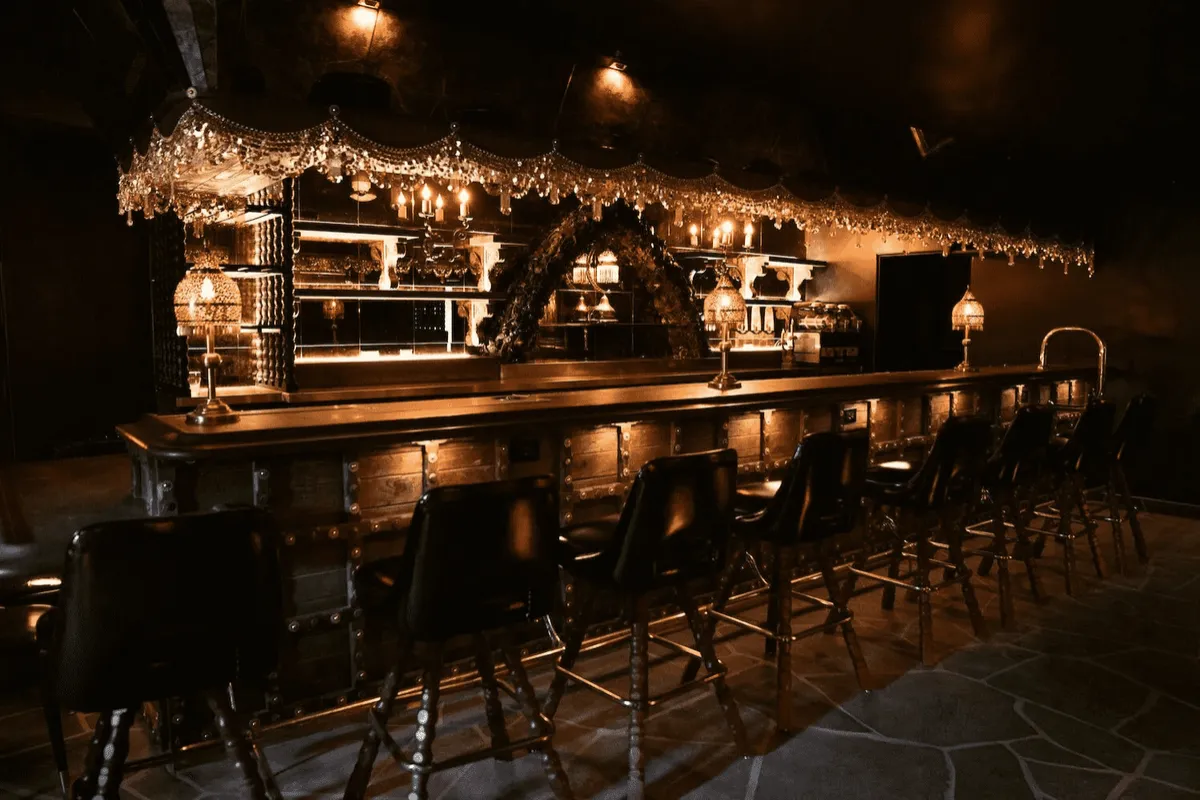
Equity Builders has worked on hospitality projects where preserving character and keeping the business viable mattered as much as the construction itself, including the restoration and modernization of the Jacumba Hot Springs Hotel and the historic restoration of The Whaling Bar at La Valencia Hotel. Projects like these reward careful sequencing, early investigation, and close coordination between design, fabrication, and the field.
If you are planning a hotel or restaurant renovation and need to stay open, our pre-construction team can help you weigh phasing options, schedule, and budget before work begins. Contact Equity Builders to talk through your property.
