
Choosing Materials for High-End Hospitality Spaces in San Diego

July 19, 20266 min read

Materials are one of the strongest ways to shape the character of a restaurant, bar, café, or hotel, but hospitality environments are demanding places for finishes. Floors, bars, millwork, metalwork, upholstery, tile, hardware, and exterior surfaces all experience different types of wear. Equity Builders, Inc. works on high-end hospitality projects throughout San Diego, including coastal locations where salt, sun, moisture, and indoor-outdoor use can add another layer of performance requirements. The right material is not simply the one that looks best in a sample. It is the one that supports the design, can be built correctly, and can continue performing after years of real service.

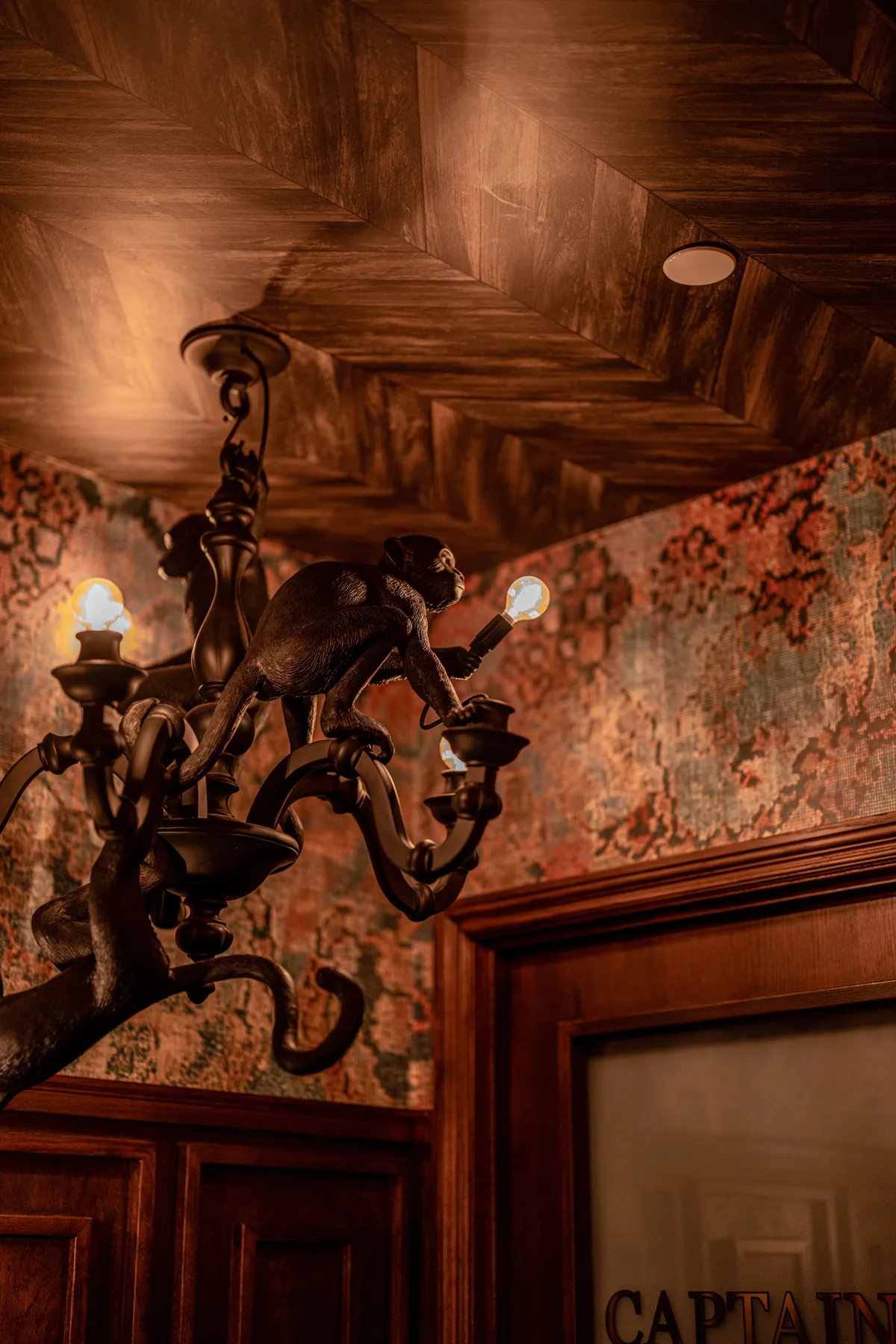
Equity Builders’ portfolio includes hospitality and custom projects such as The Whaling Bar at La Valencia Hotel, The Waverly, Jacumba Hot Springs Hotel, Captain’s Quarters, Raglan Public House, Queenstown, multiple Better Buzz Coffee locations, and custom residences across San Diego County. The breadth of that work makes the company a useful reference point for owners who want construction decisions to support both aesthetics and real-world performance.

Choose Materials for Appearance and Daily Use

Materials establish much of the visual character of choosing materials for high-end hospitality spaces in san diego, but they also carry a practical workload. Restaurant floors experience constant traffic and cleaning. Bar surfaces face spills and repeated contact. Millwork is touched throughout the day. Exterior elements near the San Diego coast may also face sun, salt air, moisture, and wind. A material that looks excellent in a small sample may not be the right choice for a demanding commercial environment. Owners should consider durability, maintenance, slip resistance, cleanability, repairability, lead time, and how finishes will age. Edges, joints, transitions, hardware, sealants, and substrates matter just as much as the visible surface. Long-term performance does not require a space to look heavy or utilitarian. It requires thoughtful choices so the design can remain refined after years of actual use rather than only on the day construction is completed.

Let the San Diego Environment Inform the Build

Many San Diego projects benefit from outdoor dining, coastal views, open storefronts, patios, and strong indoor-outdoor connections, but those features also influence choosing materials for high-end hospitality spaces in san diego. Salt air, moisture, ultraviolet exposure, wind, and sun can be hard on metals, exterior wood, hardware, sealants, coatings, and outdoor furniture. The solution is not to make the project feel overly technical. It is to select and detail materials that fit the actual exposure. Drainage, waterproofing, corrosion resistance, maintenance access, thresholds, and finish systems should be considered early. Coastal conditions are especially important when custom metalwork, railings, exterior bars, doors, windows, and semi-exterior millwork are involved. Thoughtful detailing protects the design by helping signature elements age more gracefully. The building can then take advantage of San Diego’s climate and outdoor lifestyle without ignoring the long-term demands of its location.

Think About Maintenance Before Opening Day

Long-term ownership should influence choosing materials for high-end hospitality spaces in san diego while the design is still being developed. Can equipment be serviced without dismantling custom millwork? Can a damaged panel be replaced? Are high-touch surfaces easy to clean? Are filters, shutoffs, access panels, and drainage areas reachable? These questions rarely appear in portfolio photography, but they have a major effect on the operating experience after construction. The lifecycle of a finish matters as much as its appearance on installation day. Hardware, coatings, upholstery, grout, wood finishes, metalwork, and sealants all have different maintenance requirements. Durability does not mean removing refinement from the design. It means selecting details that can withstand the way the space will actually be used. When maintainability is considered early, owners can preserve the quality of the finished environment without turning routine cleaning or repair into unnecessary disruption.

Use Custom Fabrication Where It Adds Real Value

Custom fabrication can make choosing materials for high-end hospitality spaces in san diego more distinctive while also solving practical problems. Bars, banquettes, host stands, cabinetry, service counters, architectural millwork, metalwork, furniture, shelving, and specialty components can be designed around exact dimensions and operating needs. The greatest benefit is not simply having something unique. It is the ability to integrate a custom component with structure, power, plumbing, lighting, equipment, floor elevations, and surrounding finishes before it reaches the jobsite. When the fabrication team is closely connected to construction, field measurements and installation requirements can inform the shop work. That reduces the chance of a beautiful piece arriving only to conflict with another system. Purpose-built elements can also make difficult corners or compact footprints more useful. Used selectively, custom work can become both a signature part of the design and a functional part of the business.

Quality Lives in Coordination and Transitions

High-end choosing materials for high-end hospitality spaces in san diego is often judged by details that are easy to overlook on drawings. Where two materials meet, how a cabinet aligns with a wall, whether a metal edge sits flush, how hardware feels in the hand, and whether lighting is cleanly integrated can change the impression of the entire project. Quality control depends on accurate field dimensions, coordinated shop drawings, proper substrates, installation sequencing, protection of completed work, and consistent final adjustment. Self-perform capabilities and close fabrication coordination can shorten the feedback loop between design intent and field execution. The advantage is not simply doing more work internally. It is having a direct path to resolve questions about fit, tolerances, materials, and installation. A refined project is rarely created by one dramatic gesture. It is created by hundreds of small decisions being executed consistently across the space.

Keep the Budget Connected to the Design

Budgeting for choosing materials for high-end hospitality spaces in san diego works best as an ongoing design conversation rather than a single number produced at the end. Major materials, equipment, structural changes, custom fabrication, existing conditions, permitting, and long-lead items can all influence cost. Early feedback helps the owner understand which decisions are consuming resources while there is still time to adjust. Value engineering should protect the purpose of the concept rather than simply remove every distinctive detail. Sometimes a different material, fabrication method, assembly, or scope strategy can lower cost while preserving the guest experience and functional intent. The most important step is identifying priorities. Not every surface needs the same investment, and not every custom feature has equal value. A transparent budget process allows money to be directed toward the elements that improve operations, durability, brand identity, and long-term quality instead of being spent unexpectedly on problems discovered late.

Working With Equity Builders, Inc.

Equity Builders, Inc. has been creating custom spaces in San Diego since 2005, with a focus on high-end hospitality and residential work. Its services include full design-build, pre-construction, custom fabrication, custom installation, restaurant build-outs, custom residences, and three-dimensional visualization. For hospitality owners selecting materials and finishes for custom spaces, the most useful next step is to bring the project team into the conversation while important choices are still flexible. Site information, equipment needs, inspiration, operational requirements, budget expectations, and timing goals can all help frame a more productive early discussion.

The objective of a custom project should not be to add complexity for its own sake. It should be to create a space that feels intentional, functions well, and holds up to the way it will actually be used. When design, fabrication, construction, materials, budget, and schedule are coordinated from the beginning, owners have a stronger path from the initial idea to a completed environment that supports the business long after opening day.

Back to Blog