
Hospitality Construction in San Diego: What Owners Should Plan Before Breaking Ground
Most hospitality projects that go over budget or open late do not fail during construction. They fail months earlier, in the decisions that were made too quickly, made with incomplete information, or not made at all. By the time crews are on site, many of those problems are already locked in.
For restaurant, bar, café, and hotel owners in San Diego, the period before groundbreaking is where the most value can be protected. This article lays out what owners should have clarity on before construction starts, and why each item matters once work begins.
1. A Clear Operating Model
A hospitality space is a working machine. Before design is finalized, the team needs to know how the business will actually run: menu and cooking methods, service style, seat count, bar program, hours, expected peak volume, delivery and storage needs, and how staff will move through the space. A design that looks right but ignores these details tends to produce change orders during construction and workarounds after opening.
Owners who bring their chef, general manager, or operations lead into early design meetings usually get a better result. They know where the bottlenecks will be because they have worked in them.
2. Site Due Diligence
Before committing to a location or a design, owners should understand what the site can support. Key questions include:
- Does zoning allow the intended use, and are there conditions such as hours, outdoor seating, or alcohol restrictions?
- Are there existing utilities with enough capacity for kitchen equipment, HVAC, and lighting?
- Is there a realistic path for kitchen exhaust, grease waste, and deliveries?
- What are the existing conditions of the structure, roof, slab, and building systems?
- Will the project trigger accessibility upgrades to entries, restrooms, or parking?
For older buildings, a few targeted investigations, such as opening ceilings, scanning slabs, or reviewing as-built drawings, can prevent large surprises later.
3. A Budget That Includes Everything
Many owners budget for construction and underestimate everything around it. A complete hospitality budget usually includes:
- Hard costs: construction, mechanical, electrical, plumbing, finishes, and custom fabrication
- Soft costs: design, engineering, permits, fees, and consultants
- Kitchen and bar equipment
- Furniture, fixtures, and equipment: seating, tables, decorative lighting, and artwork
- Operating supplies: smallwares, glassware, linens, and uniforms
- Pre-opening costs: hiring, training, inventory, and marketing
- Contingency for unknowns, which should be larger for renovations of older buildings
Knowing the full number early allows owners to make tradeoffs deliberately instead of cutting the wrong things under pressure late in the project.
4. The Right Team and Delivery Method
How the project is delivered affects cost certainty, schedule, and how problems get solved. In a traditional approach, the owner hires a designer, completes drawings, and then bids the work to contractors. In a design-build approach, one team carries the project from concept through construction, which lets builders weigh in on cost and constructability while design is still flexible.
Whatever the method, owners should look for a team with real hospitality experience. Restaurant and hotel work involves kitchen infrastructure, health department review, durable finishes, and tight opening deadlines that general commercial work does not.
5. An Approvals Plan
Hospitality projects often involve more than one approval track. Building permits are only one piece. Food facilities need environmental health plan review, and businesses serving alcohol need a license from the California Department of Alcoholic Beverage Control. Signage, outdoor dining, and work in coastal or historic areas can bring additional reviews.
These tracks run on their own timelines and can affect each other. Mapping them early helps the team sequence design work so each submission is complete the first time.
6. Long-Lead Items Identified and Ordered
Kitchen hoods, walk-in coolers, specialty equipment, electrical gear, custom light fixtures, and imported finishes can have lead times that exceed the construction schedule. Custom bars, booths, and millwork also need time for shop drawings, approvals, and fabrication. Identifying these items early and releasing orders as soon as selections are final keeps them from becoming the reason a project opens late.
7. A Schedule Built Backward From Opening Day
An opening date drives staffing, inventory, marketing, and often lease obligations. A good schedule works backward from that date and includes the steps owners tend to forget: inspections, health department sign-off, equipment start-up, punch list, cleaning, staff training, and soft openings. Owners should know which of their own decisions are on the critical path, such as finish selections or equipment specifications, and when each one is due.
8. A Turnover and Training Plan
The project is not finished when the last trade leaves. Staff need to learn how to operate equipment, lighting controls, and building systems. Owners need warranties, manuals, maintenance schedules, and contact information for each system. Planning turnover in advance makes the first weeks of operation smoother and protects the investment in the space.
Learning From Projects That Worked
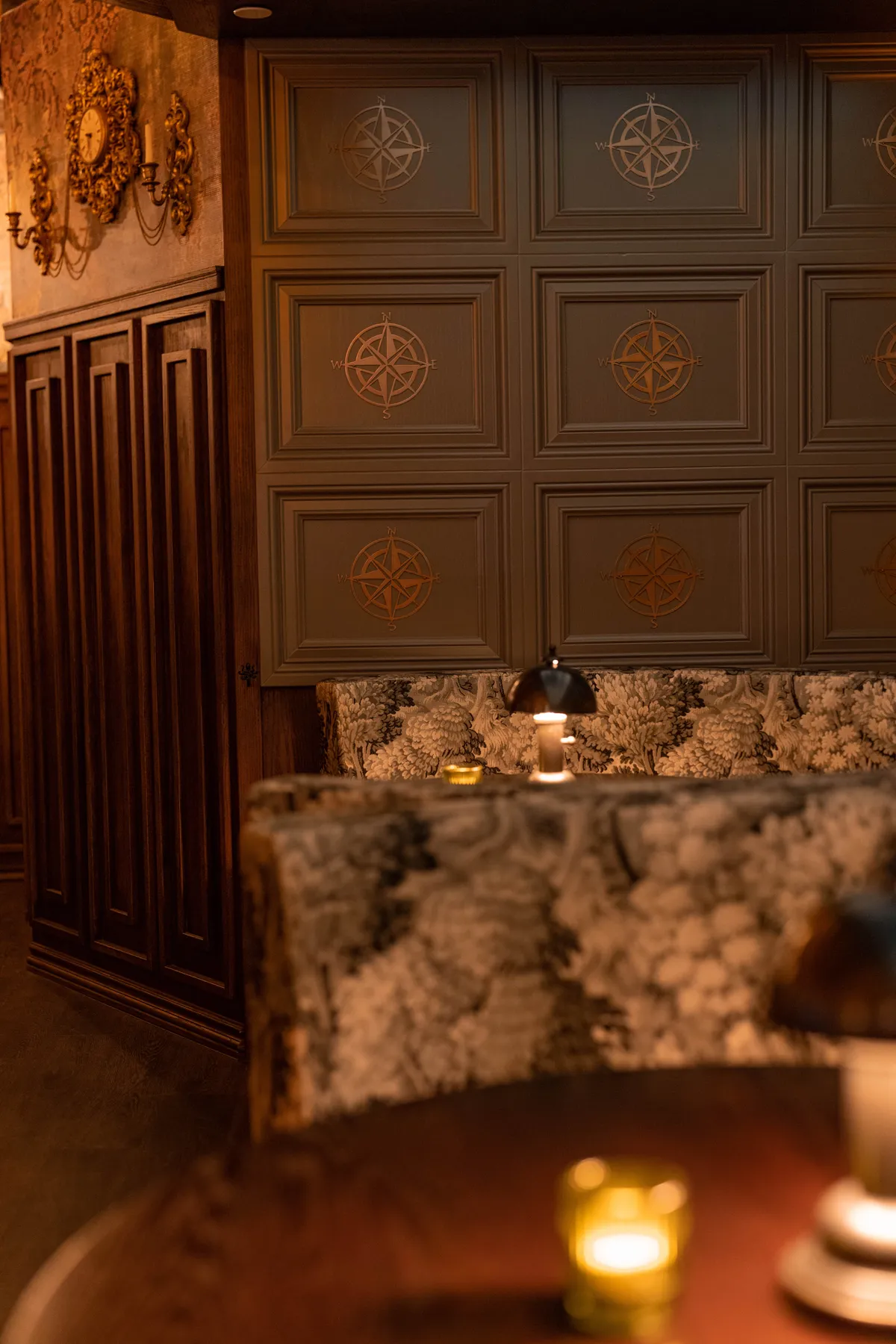
Equity Builders has been building hospitality spaces in San Diego since 2005. At Captain's Quarters in Pacific Beach, completed in 2023, the work included component design, fabrication design, and construction, with durable custom elements and a layout planned around high-volume food and beverage service. Projects like that succeed because operational needs, custom work, and construction logistics are worked out before crews arrive.
If you are planning a restaurant, bar, or hotel project, our pre-construction services can help you build clarity on scope, budget, approvals, and schedule before you break ground. Contact Equity Builders to start the conversation.
