
Change Orders on a Custom Home: Why They Happen and How to Keep Them Under Control
Few things frustrate a custom home client more than change orders. A project starts with a signed contract and a budget that feels settled, and then a series of changes adds cost and time a little at a time. By the end, the final number can look very different from the original one, and it is not always clear why.
Change orders are not automatically a sign that something went wrong. Some are the result of good decisions made during construction. Others come from discoveries no one could have seen in advance. But many are avoidable, and understanding where they come from is the best way to keep them under control.
What a Change Order Actually Is
A change order is a written modification to the construction contract. It documents a change in scope, cost, schedule, or all three. It might add work, remove work, or substitute one product or method for another. A clear change order describes what is changing, why, what it costs, how it affects the schedule, and who approved it.
The paperwork matters. Verbal agreements on a jobsite are a common source of disputes later. A disciplined change order process protects both the owner and the builder.
The Most Common Causes
Owner-driven changes
The homeowner decides to upgrade a finish, move a wall, add a feature, or change a layout after construction has started. These are often good decisions. Seeing a space framed can reveal opportunities that were hard to imagine on paper. The cost depends heavily on timing. Moving a window before framing is inexpensive. Moving it after drywall, windows, and exterior finishes are installed is not.
Incomplete design or selections
When drawings leave details unresolved or finish selections are still open when construction begins, the builder has to price allowances or assumptions. If the final selection costs more than the allowance, or the detail turns out to be more complex than assumed, a change order follows. This is one of the most preventable causes.
Unforeseen conditions
Soil conditions, buried utilities, hidden damage in an existing structure, or conditions on a sloped or coastal lot can require work that no one could reasonably price before digging or opening walls. Good investigation reduces this risk but cannot eliminate it, especially in renovations and on challenging sites.
Coordination gaps
When the architect, engineers, interior designer, and builder work separately, conflicts between their documents may not appear until the field. A beam may land where a recessed light was planned, or a mechanical run may conflict with a ceiling detail. Resolving those conflicts in the field almost always costs more than resolving them on paper.
Agency and code requirements
Plan check comments, inspector requirements, or utility company requirements can add scope. Some of this is unavoidable, but experienced teams anticipate the most likely requirements during design.
How to Keep Change Orders Under Control
Finish design before construction starts
The single most effective way to reduce change orders is to complete design and make major selections before breaking ground. That includes appliances, plumbing fixtures, lighting, cabinetry, tile, flooring, windows, and specialty items. Every open decision is a potential change order.
Visualize the home before it is built
Many owner-driven changes happen because the client sees a space for the first time during framing and realizes it is not what they pictured. Detailed 3D renderings and virtual reality walkthroughs let homeowners experience room proportions, ceiling heights, sightlines, and views before construction. Changes made in a model cost almost nothing compared with changes made in the field.
Use realistic allowances
Low allowances make a bid look attractive but often lead to change orders. Allowances should reflect the quality level the owner actually expects. A builder who discusses allowances openly is giving a more honest picture of the final cost.
Investigate the site and existing conditions
Soils reports, surveys, and, for remodels, exploratory openings can reveal conditions early. On coastal or hillside lots, early engineering input can prevent large surprises below grade.
Keep the design and construction team connected
When designers and builders collaborate from the beginning, constructability, cost, and design intent are balanced before drawings are finalized. This is a core advantage of design-build: one team is accountable for both the design and the construction, so conflicts are more likely to be caught in the office instead of on site.
Set up a clear change process
Agree at the start how changes will be requested, priced, approved, and documented. Owners should see the cost and schedule impact before approving work, not after. A simple running log of approved changes keeps everyone aware of where the budget stands.
Keep a contingency
Even a well-planned custom home benefits from a contingency for unforeseen conditions and the decisions that inevitably come up. Treating the contingency as part of the budget rather than a sign of failure reduces stress when changes do occur.
Changes Are Not the Enemy, Late Changes Are
A custom home should reflect the way its owners want to live, and refining the design along the way is part of that process. The goal is not to prevent every change. It is to make decisions at the point where they cost the least, with clear information about their impact.
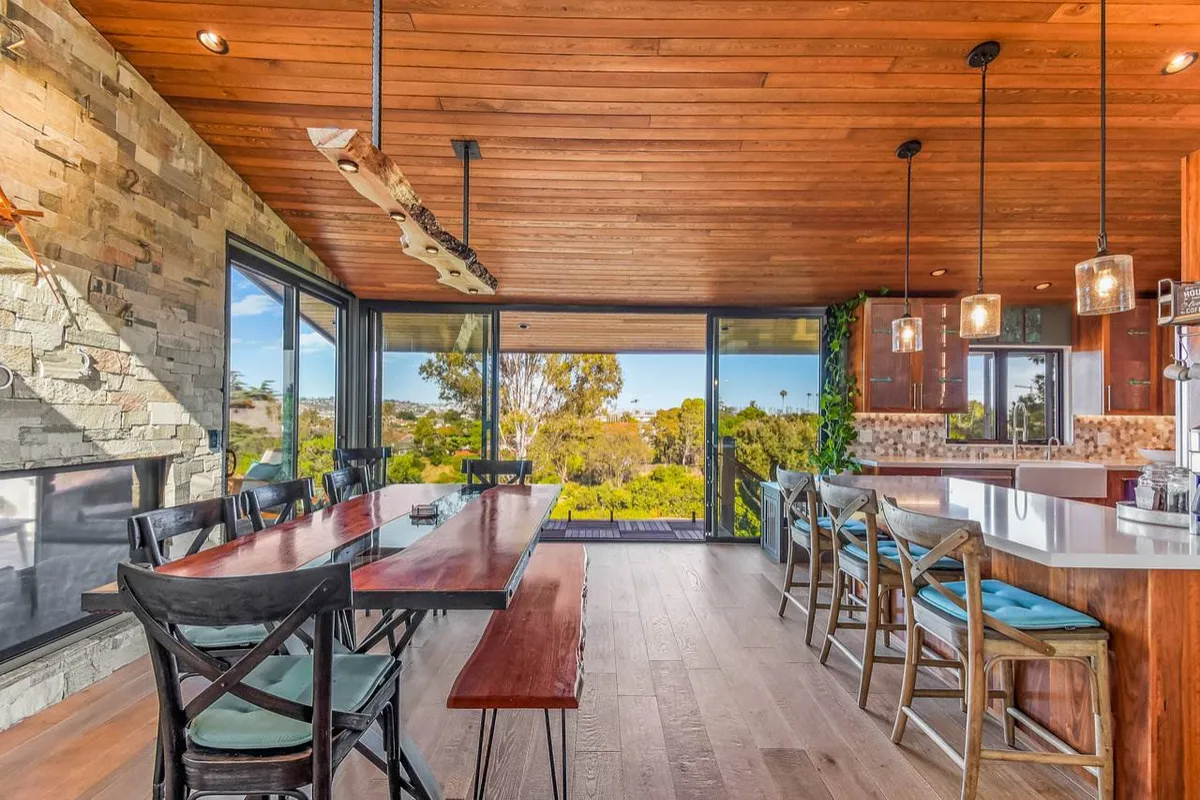
On projects like Equity Builders' Point Loma custom home, a full design-build process carried the work from architectural and interior design through 3D modeling, fabrication design, and construction. That kind of continuity gives owners more chances to make decisions early, when changes are a matter of revising a drawing rather than rebuilding a wall.
If you are planning a custom home in San Diego and want a process built around clear decisions and fewer surprises, learn more about our design-build approach or contact Equity Builders to start the conversation.
