
Why Custom Fabrication Matters in Restaurant Design
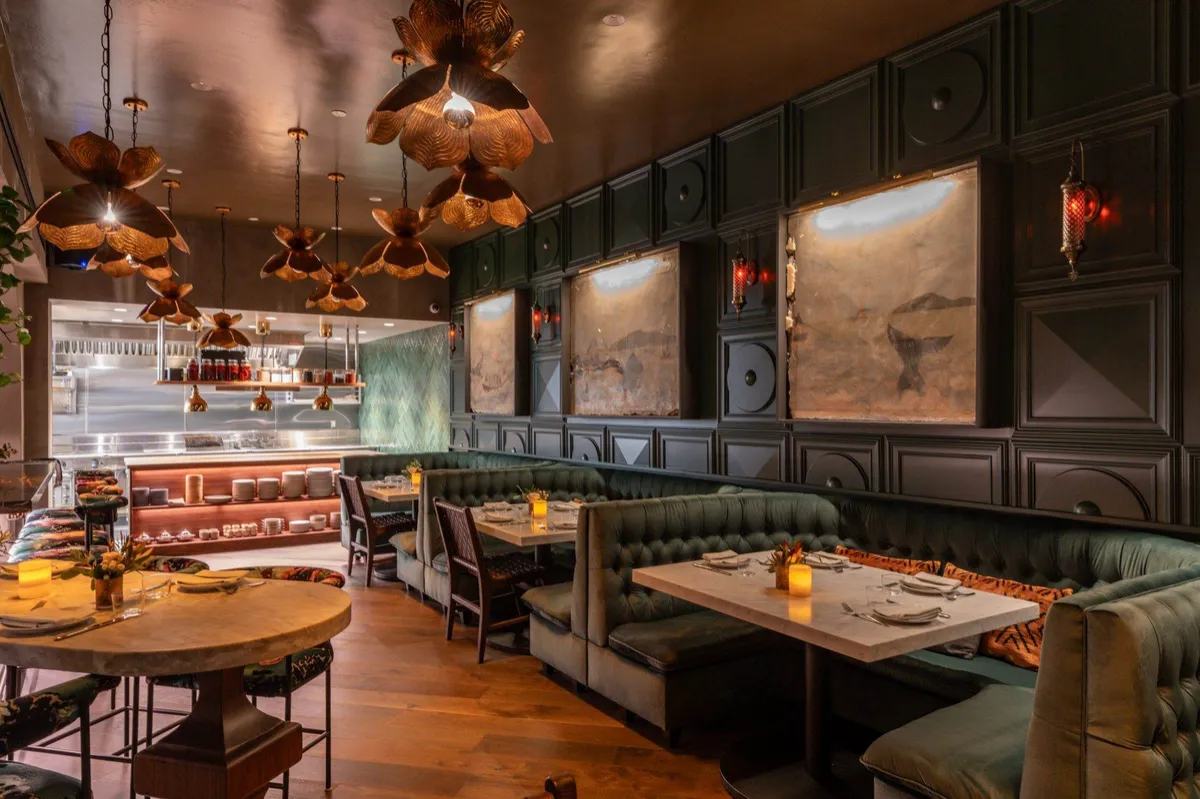
Walk into a memorable restaurant and the details that stick with you are rarely catalog items. It is the bar that seems carved for the room, the banquette that curves exactly where it should, the metal screen that catches the light, or the host stand that feels like part of the architecture. Those pieces are usually custom fabricated, and they do more than look good. They solve problems that standard furniture and fixtures cannot.
This article looks at why custom fabrication matters in restaurant design, which elements benefit most, and how to plan it so it adds value instead of cost and delay.
Standard Products Assume a Standard Room
Off-the-shelf furniture and fixtures are designed for average dimensions and average uses. Restaurants rarely fit that profile. Columns land in awkward places, walls are not square in older buildings, ceilings change height, and every concept has its own service flow. When standard pieces are forced into a space like that, the result is often wasted floor area, awkward gaps, or seating that does not quite work.
Custom fabrication starts with the actual room. Pieces are built to the real dimensions and around the way the restaurant operates, which can improve seat count, circulation, and the overall sense that everything belongs.
The Elements That Benefit Most
- Bars and back bars: often the visual center of the room and one of the hardest working pieces in the building
- Banquettes and booths: built to fit walls and corners precisely, often seating more guests than loose chairs
- Host stands and service stations: designed around point-of-sale equipment, menus, and storage
- Metalwork: railings, screens, shelving, and signage that give the room character
- Display features: wine walls, retail shelving, and open storage that double as decor
- Specialty furniture: communal tables, counters, and pieces sized for a specific layout
Function Is Where Custom Work Pays Off
The best custom pieces are built around how a restaurant actually runs. A server station can hold exactly the glassware, silverware, and terminals the team uses. A banquette can hide power for chargers or heating. A bar die can be designed around the underbar equipment, plumbing, and draft lines it needs to conceal. When those requirements are part of the design from the start, the finished piece works better and looks cleaner than anything adapted after the fact.
Durability Has to Be Designed In
Restaurant furniture and fixtures take years of daily abuse: spills, cleaning chemicals, heavy use, kicks, and constant contact. Custom fabrication lets the team choose materials, joinery, finishes, and hardware for that reality. Edges can be protected, high-wear surfaces can be designed for repair or replacement, and finishes can be chosen for how they age, not just how they look on opening night.
Coordination Makes or Breaks It
Custom pieces connect to structure, power, plumbing, lighting, and flooring. A bar may need floor drains and backing. A banquette may need outlets. A metal screen may need anchoring into structure. If those details are not coordinated before fabrication, beautiful pieces end up being modified in the field.
The most reliable process includes design drawings, shop drawings reviewed by the owner and designer, field measurements after rough construction, and installation late in the schedule so finished work is protected.
Plan Lead Time Into the Schedule
Custom fabrication takes time: design, shop drawings, approvals, material procurement, fabrication, finishing, and installation. Treating custom pieces as an afterthought is one of the most common reasons restaurant openings slip. Identifying them early and approving shop drawings promptly keeps them off the critical path.
Use Custom Work Where It Counts
Not everything needs to be custom. The most effective approach is to concentrate custom fabrication where guests notice it most and where operations benefit most, then use quality standard products elsewhere. That keeps budgets under control while still giving the restaurant a signature identity.
From the Shop to the Dining Room
Equity Builders offers in-house custom fabrication alongside design-build services. At The Whaling Bar at La Valencia Hotel in La Jolla, the team custom-fabricated new bar and lounge components as part of a historic restoration completed in 2024, showing how fabricated details can respect a room's history while improving how it works.
Learn more about our custom fabrication and restaurant build-out services, or contact Equity Builders to talk about your restaurant.
