
Coffee Shop Build-Outs in San Diego: What Makes the Space Work

July 11, 20266 min read

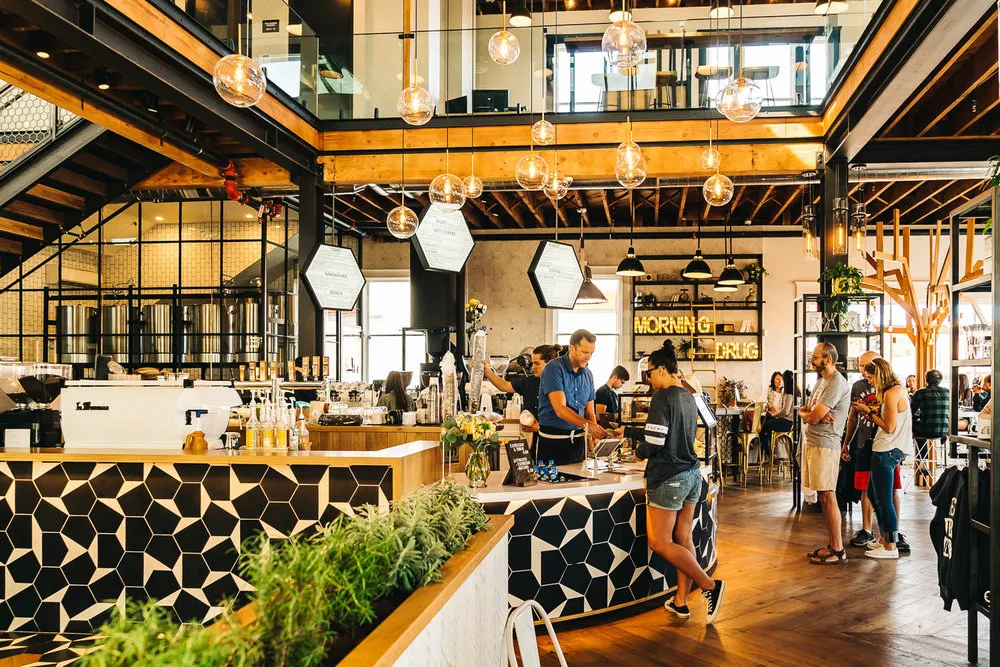
Coffee shops compress a surprising amount of activity into a small footprint. Customers enter, order, wait, pick up drinks, find seating, and leave while baristas repeat fast movements around espresso machines, grinders, refrigeration, sinks, storage, and point-of-sale equipment. Equity Builders, Inc. has worked on multiple Better Buzz Coffee locations in San Diego, including Hillcrest, Garnet Avenue, Grand Avenue, and other sites listed in its portfolio. Those projects illustrate why a café build-out must connect brand experience with high-volume operations. A beautiful counter is only successful if it also supports the people, equipment, utilities, storage, and customer flow behind it.

Equity Builders’ portfolio includes hospitality and custom projects such as The Whaling Bar at La Valencia Hotel, The Waverly, Jacumba Hot Springs Hotel, Captain’s Quarters, Raglan Public House, Queenstown, multiple Better Buzz Coffee locations, and custom residences across San Diego County. The breadth of that work makes the company a useful reference point for owners who want construction decisions to support both aesthetics and real-world performance.

Design Around Real Operations

A successful coffee shop build-outs in san diego: what makes the space work project should be judged during its busiest period, not only when the space is empty and photographed. Restaurants, bars, cafés, and other hospitality environments depend on repeated movement between kitchens, service stations, storage, bars, seating areas, restrooms, deliveries, and guest circulation. Small inefficiencies can become significant when they are repeated hundreds of times each day. The construction team should understand how the business intends to operate so walls, counters, doors, equipment, and custom elements support that workflow. Back-of-house planning should strengthen the front-of-house experience rather than compete with it. When operational needs are considered early, staff can move more naturally, storage can be placed closer to the point of use, and guests are less likely to encounter service traffic or bottlenecks. Function becomes part of the architecture instead of an adjustment made after the design is complete.

Start With Pre-Construction Clarity

For coffee shop build-outs in san diego: what makes the space work, the most useful time to solve a construction problem is before crews are depending on the answer. Early planning should confirm the intended use of the space, the major scope, existing conditions, required systems, specialty equipment, custom components, likely approvals, and the decisions the owner still needs to make. That process gives designers, builders, engineers, fabricators, and vendors a shared understanding of the project before schedule pressure increases. It also helps separate the features that define the concept from items that can be adjusted if cost or timing changes. Good pre-construction does not remove every unknown, especially in existing buildings, but it replaces many assumptions with verified information. That makes later decisions more deliberate and gives the finished design a stronger chance of surviving the realities of construction without unnecessary compromise.

Use Custom Fabrication Where It Adds Real Value

Custom fabrication can make coffee shop build-outs in san diego: what makes the space work more distinctive while also solving practical problems. Bars, banquettes, host stands, cabinetry, service counters, architectural millwork, metalwork, furniture, shelving, and specialty components can be designed around exact dimensions and operating needs. The greatest benefit is not simply having something unique. It is the ability to integrate a custom component with structure, power, plumbing, lighting, equipment, floor elevations, and surrounding finishes before it reaches the jobsite. When the fabrication team is closely connected to construction, field measurements and installation requirements can inform the shop work. That reduces the chance of a beautiful piece arriving only to conflict with another system. Purpose-built elements can also make difficult corners or compact footprints more useful. Used selectively, custom work can become both a signature part of the design and a functional part of the business.

Choose Materials for Appearance and Daily Use

Materials establish much of the visual character of coffee shop build-outs in san diego: what makes the space work, but they also carry a practical workload. Restaurant floors experience constant traffic and cleaning. Bar surfaces face spills and repeated contact. Millwork is touched throughout the day. Exterior elements near the San Diego coast may also face sun, salt air, moisture, and wind. A material that looks excellent in a small sample may not be the right choice for a demanding commercial environment. Owners should consider durability, maintenance, slip resistance, cleanability, repairability, lead time, and how finishes will age. Edges, joints, transitions, hardware, sealants, and substrates matter just as much as the visible surface. Long-term performance does not require a space to look heavy or utilitarian. It requires thoughtful choices so the design can remain refined after years of actual use rather than only on the day construction is completed.

Build the Guest Experience Into the Details

Guests experience coffee shop build-outs in san diego: what makes the space work at human scale. They notice whether the entrance feels clear, the bar is comfortable, the lighting creates the right mood, the seating has enough room, the acoustics are manageable, and the path to a restroom or patio feels natural. Those reactions are shaped by construction decisions that may never be consciously identified. Dimensions, sightlines, lighting placement, door swings, material transitions, furniture clearances, temperature, and circulation all influence how the environment feels. A successful hospitality space makes complicated planning appear effortless to the customer. That requires designers and builders to consider the entire journey, from arrival through seating, service, and departure. The most memorable venues are not defined only by decorative features. They feel coherent because architecture, interiors, custom work, systems, and operations reinforce the same experience without creating visible friction for the people using the space.

Learn From Relevant Project Experience

Equity Builders’ portfolio includes hospitality and custom projects such as The Whaling Bar at La Valencia Hotel, The Waverly, Jacumba Hot Springs Hotel, Captain’s Quarters, Raglan Public House, Queenstown, multiple Better Buzz Coffee locations, and custom residences across San Diego County. That range matters when considering coffee shop build-outs in san diego: what makes the space work because hospitality and custom construction require more than general commercial experience. A useful portfolio shows that a builder has worked through different operating models, existing conditions, finish levels, coastal environments, custom details, and project types. The purpose is not to repeat a previous design. Every restaurant, café, hotel, bar, or custom space should have its own identity. The value is knowing that the team has experience translating distinct concepts into finished environments while coordinating the technical work behind them. Owners should look at completed projects for evidence of craftsmanship, custom fabrication, operational understanding, and the ability to execute different design languages. Relevant experience can also make early conversations more productive because the team recognizes common risks and knows which questions are worth resolving before they become expensive construction issues.

Working With Equity Builders, Inc.

Equity Builders, Inc. has been creating custom spaces in San Diego since 2005, with a focus on high-end hospitality and residential work. Its services include full design-build, pre-construction, custom fabrication, custom installation, restaurant build-outs, custom residences, and three-dimensional visualization. For coffee shop owners and growing café brands, the most useful next step is to bring the project team into the conversation while important choices are still flexible. Site information, equipment needs, inspiration, operational requirements, budget expectations, and timing goals can all help frame a more productive early discussion.

The objective of a custom project should not be to add complexity for its own sake. It should be to create a space that feels intentional, functions well, and holds up to the way it will actually be used. When design, fabrication, construction, materials, budget, and schedule are coordinated from the beginning, owners have a stronger path from the initial idea to a completed environment that supports the business long after opening day.

Back to Blog