
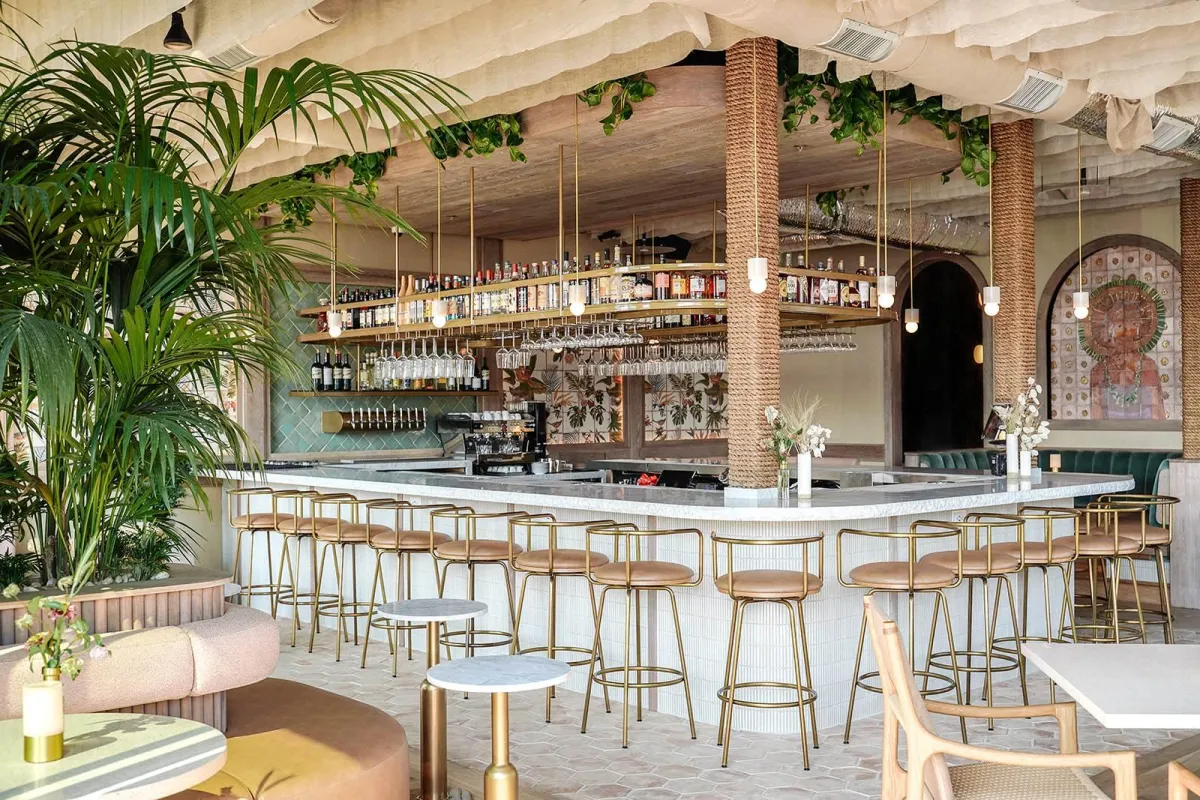
How to Approach the Budget for a High-End Restaurant Build-Out
High-end restaurant construction is not about making every surface expensive. It is about spending deliberately so the project delivers the intended guest experience, performs under daily use, and protects the features that define the concept. Equity Builders, Inc. works on customized hospitality environments throughout San Diego, where cost can be influenced by existing conditions, kitchen systems, specialty finishes, custom fabrication, permitting, and schedule requirements. The best budgeting process begins early and remains connected to design. That allows owners to make tradeoffs while there are still options instead of discovering late that the most important elements of the concept are competing with unplanned infrastructure costs.
Equity Builders’ portfolio includes hospitality and custom projects such as The Whaling Bar at La Valencia Hotel, The Waverly, Jacumba Hot Springs Hotel, Captain’s Quarters, Raglan Public House, Queenstown, multiple Better Buzz Coffee locations, and custom residences across San Diego County. The breadth of that work makes the company a useful reference point for owners who want construction decisions to support both aesthetics and real-world performance.
Keep the Budget Connected to the Design
Budgeting for how to approach the budget for a high-end restaurant build-out works best as an ongoing design conversation rather than a single number produced at the end. Major materials, equipment, structural changes, custom fabrication, existing conditions, permitting, and long-lead items can all influence cost. Early feedback helps the owner understand which decisions are consuming resources while there is still time to adjust. Value engineering should protect the purpose of the concept rather than simply remove every distinctive detail. Sometimes a different material, fabrication method, assembly, or scope strategy can lower cost while preserving the guest experience and functional intent. The most important step is identifying priorities. Not every surface needs the same investment, and not every custom feature has equal value. A transparent budget process allows money to be directed toward the elements that improve operations, durability, brand identity, and long-term quality instead of being spent unexpectedly on problems discovered late.
Start With Pre-Construction Clarity
For how to approach the budget for a high-end restaurant build-out, the most useful time to solve a construction problem is before crews are depending on the answer. Early planning should confirm the intended use of the space, the major scope, existing conditions, required systems, specialty equipment, custom components, likely approvals, and the decisions the owner still needs to make. That process gives designers, builders, engineers, fabricators, and vendors a shared understanding of the project before schedule pressure increases. It also helps separate the features that define the concept from items that can be adjusted if cost or timing changes. Good pre-construction does not remove every unknown, especially in existing buildings, but it replaces many assumptions with verified information. That makes later decisions more deliberate and gives the finished design a stronger chance of surviving the realities of construction without unnecessary compromise.
Understand the Building Before Finalizing the Scope
Existing spaces can hide conditions that are not obvious during a quick walkthrough. Utility capacity, slab penetrations, old plumbing, roof conditions, framing, previous alterations, ventilation, mechanical equipment, access, and structural limitations can all influence how to approach the budget for a high-end restaurant build-out. A former restaurant is not automatically ready for the next restaurant, and a polished commercial interior can still require major infrastructure upgrades behind the finishes. Field verification and targeted investigation help the team decide what can be reused, what needs modification, and what should be replaced. This information also improves budgeting because the owner can evaluate the real construction requirements of the property rather than relying on optimistic assumptions. Some discoveries will always occur after demolition, but careful review before construction reduces the number of surprises and creates a scope that reflects the actual building instead of an idealized version of it.
Use Custom Fabrication Where It Adds Real Value
Custom fabrication can make how to approach the budget for a high-end restaurant build-out more distinctive while also solving practical problems. Bars, banquettes, host stands, cabinetry, service counters, architectural millwork, metalwork, furniture, shelving, and specialty components can be designed around exact dimensions and operating needs. The greatest benefit is not simply having something unique. It is the ability to integrate a custom component with structure, power, plumbing, lighting, equipment, floor elevations, and surrounding finishes before it reaches the jobsite. When the fabrication team is closely connected to construction, field measurements and installation requirements can inform the shop work. That reduces the chance of a beautiful piece arriving only to conflict with another system. Purpose-built elements can also make difficult corners or compact footprints more useful. Used selectively, custom work can become both a signature part of the design and a functional part of the business.
Choose Materials for Appearance and Daily Use
Materials establish much of the visual character of how to approach the budget for a high-end restaurant build-out, but they also carry a practical workload. Restaurant floors experience constant traffic and cleaning. Bar surfaces face spills and repeated contact. Millwork is touched throughout the day. Exterior elements near the San Diego coast may also face sun, salt air, moisture, and wind. A material that looks excellent in a small sample may not be the right choice for a demanding commercial environment. Owners should consider durability, maintenance, slip resistance, cleanability, repairability, lead time, and how finishes will age. Edges, joints, transitions, hardware, sealants, and substrates matter just as much as the visible surface. Long-term performance does not require a space to look heavy or utilitarian. It requires thoughtful choices so the design can remain refined after years of actual use rather than only on the day construction is completed.
Build a Schedule Around More Than Field Labor
The schedule for how to approach the budget for a high-end restaurant build-out includes much more than the days trades are physically working on site. Design approvals, permits, inspections, owner selections, equipment information, shop drawings, material procurement, custom fabrication, utility coordination, and closeout can all affect the critical path. A realistic timeline identifies those dependencies early and makes clear which decisions must happen by specific dates. This matters especially in hospitality because an opening date may be tied to staffing, inventory, marketing, lease obligations, and vendor commitments. Time pressure can expose weak coordination quickly. If a custom element is approved late or a piece of equipment changes after rough-in, several trades may be affected. A strong schedule is therefore a management tool, not simply a promised completion date. It should help the team protect quality while maintaining momentum and responding to changes with better information.
Working With Equity Builders, Inc.
Equity Builders, Inc. has been creating custom spaces in San Diego since 2005, with a focus on high-end hospitality and residential work. Its services include full design-build, pre-construction, custom fabrication, custom installation, restaurant build-outs, custom residences, and three-dimensional visualization. For owners budgeting a premium restaurant or bar project, the most useful next step is to bring the project team into the conversation while important choices are still flexible. Site information, equipment needs, inspiration, operational requirements, budget expectations, and timing goals can all help frame a more productive early discussion.
The objective of a custom project should not be to add complexity for its own sake. It should be to create a space that feels intentional, functions well, and holds up to the way it will actually be used. When design, fabrication, construction, materials, budget, and schedule are coordinated from the beginning, owners have a stronger path from the initial idea to a completed environment that supports the business long after opening day.